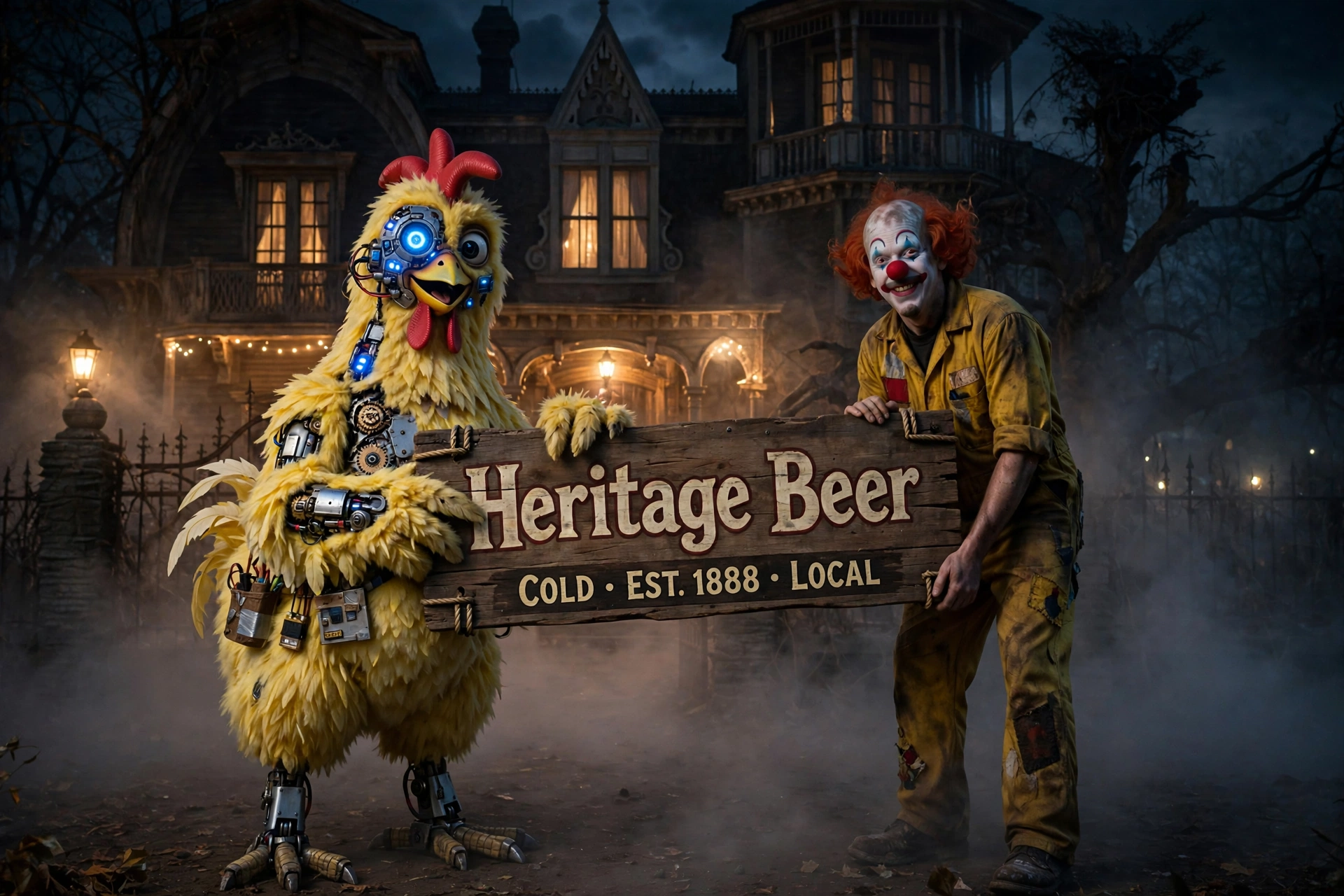
Beer is not merely a beverage; it is a liquid civilization artifact. Its history reflects human ingenuity, global trade, cultural ritual, and technological advancement. By presenting beer through a heritage lens, the website elevates the conversation from consumption to anthropology and art.
II. Historical Pillars & Epochs
| Epoch | Timeframe | Defining Developments | Cultural Significance |
|---|---|---|---|
| Ancient Origins | Prehistory – Neolithic (c. 10,000 BCE) | Wild yeasts, barley, natural fermentation. Early beer was thick, nutritious, and often mixed | |
| with honey/fruits. | Survival/Nutrition. It was a primary source of calories and a safe, non-acidic way to drink water. | ||
| Early Civilizations | Mesopotamia, Egypt, China (c. 3000 BCE) | Introduction of brewing techniques, storage vessels, and dedicated brewing rituals. Beer | |
| becomes part of religious rites and feasts. | Ritual/Social Structure. Beer is linked to divinity, kingship, and the establishment of organized society. | ||
| The Classical Age | Greece & Rome (c. 500 BCE – 476 CE) | Systematic knowledge transfer. The concept of brewmasters emerges. Specific styles begin to | |
| differentiate (e.g., Greek kras). | Philosophy/Status. It becomes intertwined with intellectual pursuits, banquets, and military life. | ||
| Medieval Flourishing | Medieval Europe (c. 500 CE – 1500 CE) | Monastic brewing tradition (the Abbey Ale). Sophistication in brewing methods, especially | |
| the use of hops (originally medicinal/preservative). | Craftsmanship/Economic Power. Brewing guilds establish rules, standards, and trade routes. | ||
| The Industrial Revolution | 18th – 19th Century | Mechanization, bottling, refrigeration, and mass production. Beer becomes a commodity, leading to | |
| global distribution. | Global Reach/Accessibility. Beer moves from an elite craft to a ubiquitous, standardized product. | ||
| Modern Craft Movement | 20th – 21st Century | Focus on regional ingredients, unique yeast strains, and historical revivalism. The consumer demands | |
| authenticity and story. | Self-Expression/Resurgence. A rejection of industrial uniformity; a return to “terroir” and deep knowledge. |
III. Key Heritage Themes to Explore
- The Ingredient Deep Dive: (Hops, Malt Varieties, Yeast, Water Chemistry). Treating these not just as components, but as resources with their own
histories. - Cultural Crossroads: (How beer was adopted in different cultures—Japanese sake influence, American frontier use, etc.).
- The Vessel and Tools: The history of pottery, brewing coopers, and specific brewing equipment.
- The Social Contract: The role of beer in celebrations, laws (e.g., banning public drunkenness), and political gathering.
Leave a Reply